


What Is Quality Control in Manufacturing?

Key Takeaways
- Quality control is a structured, ongoing system that verifies every production run meets agreed-upon product specifications across materials, tolerances, finish quality, and functionality
- Quality control and quality assurance are different: QC catches defects that have occurred; QA prevents them from occurring
- The golden sample defines the objective production benchmark that every QC inspection is measured against
- AQL (Acceptable Quality Limit) statistical sampling sets standardized, defensible thresholds for defect rates at production volume
- In-house QC and outsourced QC are not equivalent, and ongoing factory relationships with embedded oversight produce fundamentally different outcomes
- Quality failures are rarely one-time events; they are symptoms of a fragmented process
- Catching a defect in the factory costs a fraction of what it costs when it reaches a customer
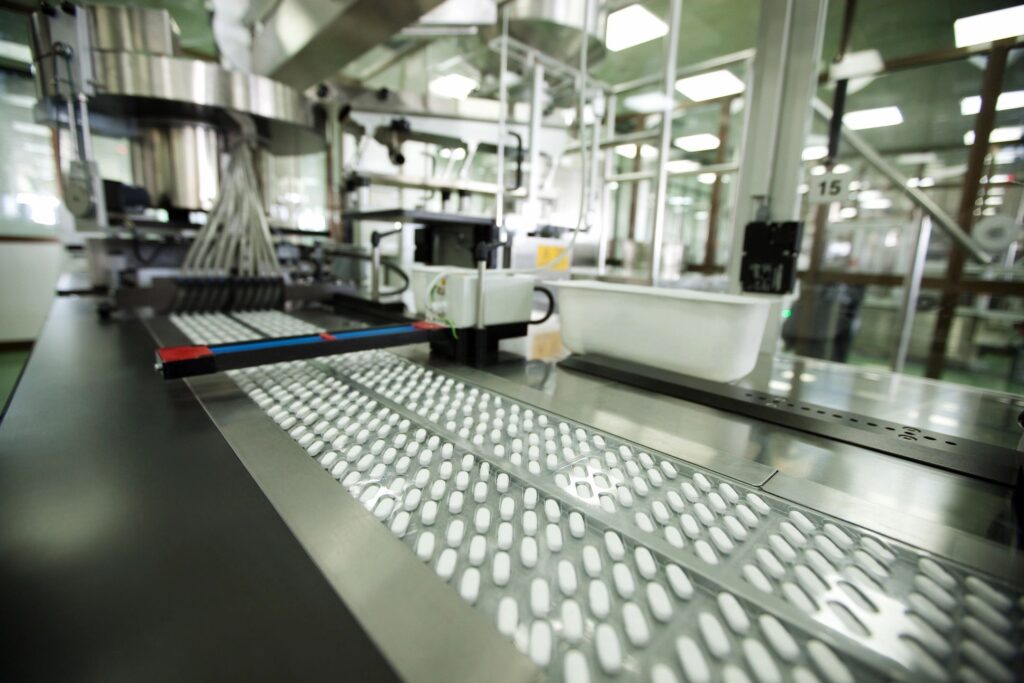
Quality control in manufacturing is the structured process of verifying that production output conforms to agreed-upon specifications across raw materials, tolerances, finish quality, and functionality at every stage of the production run. It is not a single inspection before a shipment leaves the factory. It is a layered system embedded throughout production, with defined checkpoints, standardized benchmarks, and documented results that create real accountability at the factory level.
For consumer product brands, how that system is structured has a direct effect on product quality, customer satisfaction, and long-term margin. This guide explains what quality control is, how it works in practice at each production stage, how it differs from quality assurance, and why the structure of a QC program determines whether quality holds as volume scales or quietly degrades under the pressure of it.
Quality Control vs. Quality Assurance: What Is the Difference?
Quality control and quality assurance are often used as interchangeable terms. They are not.
| QUALITY CONTROL (QC) | QUALITY ASSURANCE (QA) | |
|---|---|---|
| ORIENTATION | Reactive | Proactive |
| FOCUS | Identifying defects that have occurred | Preventing defects from occurring |
| TIMING | During and after production | Before and during production setup |
| PRIMARY TOOL | Inspection and testing | Process design and documentation |
Both are necessary in a complete quality system. QA defines the standards production must meet, including the processes and documentation that establish what acceptable looks like before manufacturing begins. QC verifies whether production is actually meeting those standards, run by run.
Brands that rely solely on final-stage inspection are absorbing the full cost of a production run before any defects are identified. A QA-plus-QC system catches the most expensive failures before that cost is committed to a non-conforming run.
Why Quality Control Matters for Consumer Product Brands
Quality control is a financial issue before it is an operational one.
Catching a defective component or assembly error at the factory may cost a few dollars in rework or replacement. The same defect identified in a customer’s hands costs return shipping, a replacement unit, a negative review, and potential removal from retail or FBA availability. At scale, the difference between embedded QC and reactive defect management compounds quickly into a material COGS difference.
Consistent quality control directly affects Amazon review scores, return rates, repeat purchase rates, and long-term brand reputation. None of those recover quickly once they start sliding. Quality failures are rarely isolated incidents. They are symptoms of a process that lacks standardization, continuous oversight, or both. The pattern repeats because the conditions that produced the first failure have not been changed. Brands looking to understand where their process is breaking down often start by reviewing Linton’s case studies to see how quality and cost issues have been resolved across real production engagements.
What Quality Control in Manufacturing Actually Looks Like
A professional QC program for consumer product manufacturing includes four structured stages, each targeting a different category of risk at a different point in production:
- Pre-production checks: Incoming raw materials and components are verified against specifications before the production run begins, catching non-conformances before they become defects in the finished product
- First-article inspection: Initial production output is evaluated before the full run is approved, confirming that tooling accuracy and process conformance meet the agreed production standard
- In-line production inspections: Ongoing checks during the active run monitor assembly accuracy, finish quality, and materials conformance as production progresses, catching deviations before they affect large quantities
- Final pre-shipment audit: Finished goods are sampled against the approved golden sample using a standardized protocol before shipment is approved
This layered approach is what separates a QC program that actually protects margins from one that only creates the appearance of oversight. The cost of catching a defect decreases at every earlier stage it is identified, which is why professional quality control is designed to front-load that detection rather than compress everything into a final review after production cost is already spent.
The Role of the Golden Sample in Quality Control
The golden sample is the shared, quantifiable production standard that makes quality control objective and enforceable. It defines agreed-upon expectations for tooling accuracy, material consistency, tolerances, finish quality, and assembly standards between the brand and the factory. Instead of relying on informal expectations or verbal agreements about what acceptable means, every QC inspection is measured against a documented, approved physical reference. This removes subjectivity from quality judgments and replaces it with a standard both parties have agreed to uphold, which is what makes consistent output across production runs achievable.
Linton follows ANSI/ASQ Z1.4 2018 and uses the approved golden sample as the benchmark for all inspections across every production run. This is built into every engagement, whether a brand is entering production for the first time through product design and development or optimizing an existing product through manufacturing cost reduction.
Common Quality Control Methods in Manufacturing
Several structured approaches are used in consumer product manufacturing. Each addresses different types of production risk, and a complete QC program typically draws on more than one.
- AQL (Acceptable Quality Limit) sampling: A statistical framework that defines the maximum acceptable defect rate for a production run and calculates the sample size required to validate it. Rather than inspecting every unit, AQL sampling provides statistically defensible confidence in product quality at high volume. It is the most widely used framework in global consumer product manufacturing.
- First-article inspection: Verifies that initial production output conforms to design specifications before the full run proceeds
- In-line inspection: Monitors production during the active run, identifying process deviations before they compound into widespread defects
- Final pre-shipment audit: Assesses finished goods against the approved golden sample before they leave the factory
The right combination depends on product complexity, production volume, and the defect risk profile of the specific category. Effective QC is not about applying every available method. It is about applying the right ones for the product and the production environment.
In-House vs. Outsourced Quality Control
Not all quality control is structured the same way, and the distinction between in-house and outsourced QC has real consequences for brands managing production at volume.
| IN-HOUSE QC | OUTSOURCED (THIRD-PARTY) QC | |
|---|---|---|
| COVERAGE | Embedded across all production stages | Per-shipment, final inspection snapshot |
| FACTORY RELATIONSHIP | Ongoing, with production history | No ongoing relationship with factory |
| VISIBILITY | Full production run visibility | Point-in-time view of finished goods |
| ACCOUNTABILITY | Tied to brand’s long-term outcomes | Report delivered, engagement ends |
| IN-LINE ISSUE DETECTION | Yes | Typically No |
Outsourced inspection is better than no inspection, but it has structural limitations. A third-party inspector arrives at the factory, conducts a defined protocol, and issues a report with no visibility into in-line production and no ongoing stake in the brand’s outcomes.
In-house QC teams embedded in an ongoing manufacturing relationship operate entirely differently. They have production history, established standards, and accountability tied to the brand’s results across every run. Linton’s QC team is in-house, follows ANSI/ASQ Z1.4 2018, and covers every stage of production rather than just final shipment. You can see how this plays out across real engagements in Linton’s case studies.
The Cost of Poor Quality Control
The real cost of inadequate QC extends well beyond the defective units themselves. Brands managing production without an embedded system regularly absorb costs across multiple categories:
- Returns, replacements, and the negative reviews that follow
- Rework costs at the factory, when recovery is even possible
- Import rejections that create landed-cost exposure and disrupt inventory planning
- FBA non-compliance penalties for inconsistent product quality
- Long-term brand damage that compounds with every repeat failure
The consistent root cause is a QC process that is reactive, outsourced, or limited to a final checkpoint rather than embedded throughout production. Proactive quality control costs less than managing the consequences of not having it, and the margin difference tends to grow as volume increases. Brands dealing with these symptoms often find that Linton’s manufacturing cost reduction program addresses both the cost gaps and the quality system gaps driving them.
How Linton Manages Quality Control Across Manufacturing
Linton’s in-house QC team manages quality across every stage of the production relationship, from pre-production material checks through final pre-shipment audits, following ANSI/ASQ Z1.4 2018.
The approved golden sample serves as the benchmark for all inspections, ensuring production standards are objective, consistent, and enforceable across every run. When deviations occur, they are addressed within the ongoing factory relationship rather than escalated to a third party after goods have already shipped. Linton’s QC is not a separate service layer; it is integrated into every manufacturing engagement, whether that begins with product design and development for a new product or with a cost and quality audit on an existing one.
That means brands working with Linton get enterprise-level production oversight without building an internal team to manage it.
When Quality Control Becomes a Strategic Priority
Brands typically treat quality control as a strategic issue once one of three things happens: defect rates rise noticeably, a production issue reaches a customer, or order volume increases to the point where informal processes can no longer absorb variation.
The more productive question is what a QC system should look like before those situations develop. Who manages it, at what stages, against what standard, and with what accountability built in are the decisions that determine whether product quality holds as volume scales or erodes under the pressure of it.
If your brand is managing manufacturing without an embedded, standardized quality control system, the risk is not hypothetical. It is the gap between the production you are assuming and the production you are actually receiving. Schedule a consultation to talk through where your current process stands and what a more structured approach would look like.
Ready to bring your product to market — or reduce your manufacturing costs? Linton Group provides end-to-end product design & development and manufacturing cost reduction services for consumer brands. Let’s talk.
Alex Einhorn
Director of Sales / Linton Group
Alex is Director of Sales & Marketing at Linton Group, where he helps e-commerce brands build better products, improve quality, and stop overpaying for manufacturing. He works directly with founders to cut unnecessary costs, fix inefficient supply chains, and turn ideas into scalable, profitable products. His approach is simple: develop quality products that earn real brand trust, not just transactions.
View Author PageWondering if your product could be built better, faster, or at a lower cost?
Related Posts
Key Takeaways Injection molding cost splits into a one-time mold and a per-part price, and the mold is usually the largest upfront expense. Mold cost ranges from about $3,000 for simple molds, per Icomold, to $100,000 or more for hardened steel production tools, per Linton’s rapid molding guide. A $20,000 tool adds $2.00 to each […]
Read More
Key Takeaways Design for manufacturing (DFM) is not a final engineering check. Cost, materials, process, tooling, tolerance, and appearance are linked from the first design decision, and treating DFM as a late gate is how expensive tooling and unsourceable materials get locked in. A design is the combined result of competitor products, end-user experience, trends, […]
Read More
Key Takeaways A go-to-market checklist belongs in the same weekly meeting as the engineering review, not after it. By the time the product is on a vessel, most launch decisions are already locked. The checklist exists to hit 3 numbers: strong first-order demand, a stable average selling price, and a reorder placed before the first […]
Read More