LTL vs. FTL: Choosing the Right Freight Option for Your Business

As brands scale and optimize their domestic logistics, trucking from import ports to their warehouse destinations, the decision between Less Than Truckload (LTL) and Full Truck Load (FTL) transportation becomes crucial. Brands often lean towards FTL to fulfill bigger orders, while finding LTL more suitable for frequent small orders. At Linton, we help our clients make informed choices considering shipment size, product type, lead time standards, and cost to ensure the most practical and cost-effective method is utilized. For those who are unfamiliar with LTL and FTL, here is a brief description in simplest terms: LTL is when a shipment shares trailer space with other shipments, and FTL is when one singular shipment occupies an entire trailer.

Each method of transportation has its unique advantages and disadvantages. When it comes to choosing which method to use, brands need to take multiple things into consideration. These include but are not limited to: shipment size, product type, lead time standards, and cost. At Linton, we work alongside our clients to ensure that the most practical and cost effective method of transportation is being utilized.

Full Truck Load (FTL)

FTL is more common among brands who fulfill their orders with bigger shipments that tend to weigh over 15,000 pounds, or take up over 3,000 cubic feet. Brands who utilize FTL usually have a longer replenishment cycle as well, due to having a larger inventory capacity. This method is cost effective in comparison to utilizing multiple LTL shipments as unit cost is lower. FTL utilizes a direct route to the final destination as there is only one shipment within the trailer. Since there is only one stop and one shipment, FTL tends to have much shorter lead times than LTL. Quality standards are higher with FTL too, since the product is isolated. Another factor that contributes to a higher quality standard is that the freight is only loaded and unloaded once, meaning there is less opportunity for the shipment to be damaged during handling.

Less Than Truckload (LTL)

LTL is common among brands that utilize frequent small shipments for their smaller replenishment orders. These shipments can range from as small as 150 pounds up to over 15,000 pounds, and can be as small as a few cases to over 3,000 cubic feet as well . When shipments are on the larger end but not quite the size of a full trailer, brands need to assess the cost of both LTL and FTL as it may be more cost effective to utilize FTL and have some empty space in the trailer. LTL differs from FTL in regards to cost as brands only pay for the space they use. Overall, it can be cheaper, but unit cost is higher in comparison to FTL. While LTL is ideal for small shipments, there are setbacks in regards to the handling process.

Potential Setbacks of LTL


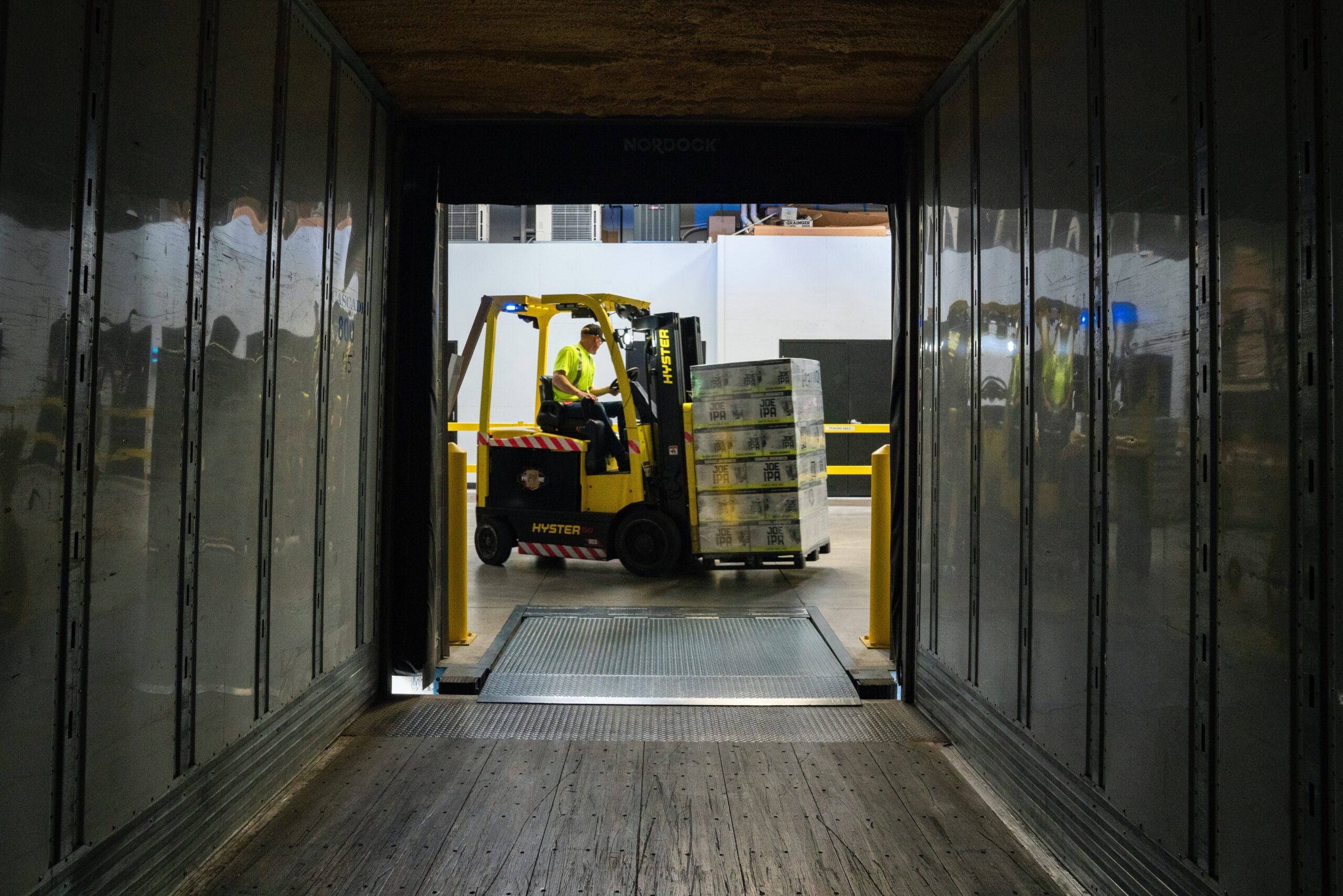
Exterior view of a loading dock

The two main setbacks of utilizing LTL are lead time and quality standards. Since there are multiple shipments, multiple stops are required.Not only does the transportation process tend to be longer, but the handling process is longer as well. When loading LTL shipments, brands rely on third parties to correctly load and unload their product alongside other shipments. This means ensuring that shipments are placed into a trailer in the correct order to allow for a fast unloading process at each stop. If the order of shipments within a trailer is incorrect, additional handling is required as the entire trailer may need to be unloaded just to get a specific shipment out. This can lead to issues in quality as well, due to the shipment being handled on multiple occasions before it is able to reach its final destination.

There are even some rare instances in which goods can be left behind. Let’s say an LTL trailer was loaded in the incorrect order, which unfortunately happens more often than not, and the shipment at the first stop was placed in the front of the trailer. The entire trailer will need to be stripped, meaning that product will inevitably be scattered throughout the dock. In a perfect scenario, the operator handling the product should be able to get the correct shipment out, and then fix the order of the remaining shipments before sending the trailer to its next stop – this process can take an operator several hours and this is where product gets misplaced and left behind. Unfortunately, this is not always the case. The operator may put the shipments back in the same incorrect order in which they arrived, which leads to the same process being repeated at the next stop. Rearranging pallets for hours is a long and grueling process, and mistakes happen. Even if all of the products are put back onto a trailer in the correct order, there is no guarantee that a shipment wasn’t damaged in the handling process.

FTL or LTL?

Making the right choice is essential for ensuring quality and lead time expectations are met. After review, it may be worth it to pay slightly more for the utilization of FTL. At Linton, we work with our clients to identify the best option before making the crucial decision. We assist in identifying a reliable and cost effective freight solution and aid in assessing which method is the right choice for that specific shipment. With our comprehensive approach, your logistics operations are poised for success. Delivering seamless and efficient results every step of the way.

Linton offers full A-Z supply chain services. Whether it be sourcing, manufacturing, international or domestic logistics – we can help you accomplish your goals while saving you precious money. Interested to hear what we can do for you? If so, schedule a time to chat with our team. 
Product Sourcing in China vs Other Countries

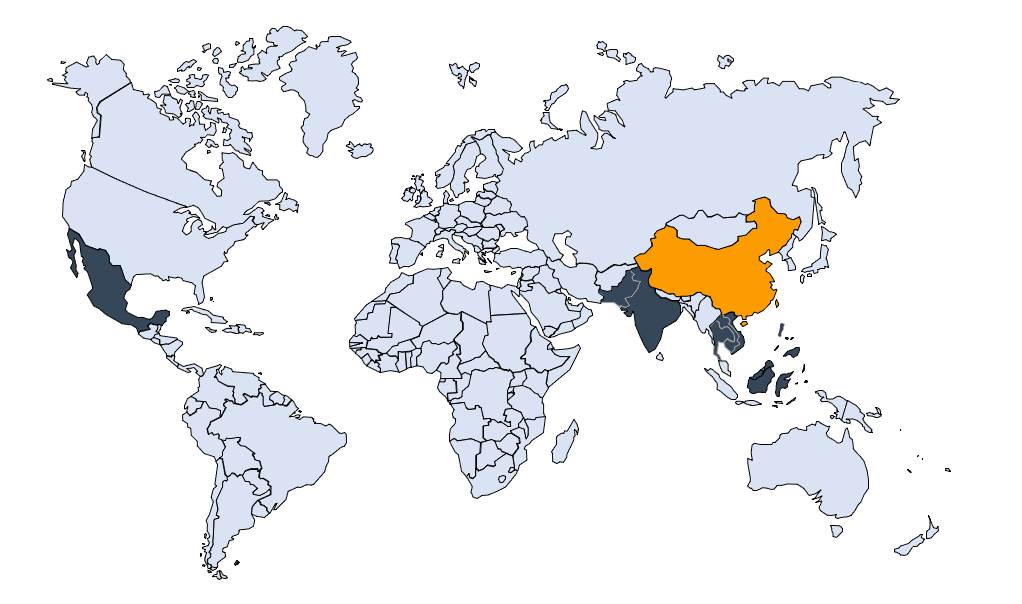
One of the most frequently asked questions we encounter from clients embarking on a new product launch is whether they should source their products from China or explore alternatives such as Vietnam and Cambodia. While providing a definitive answer may not be possible, at Linton, we offer valuable insights and rule-of-thumb references to guide our clients in making informed decisions.

To grasp the significance of the sourcing decision, it can be likened to choosing the make of a new car. Just as the make determines the overall experience and maintenance of the vehicle, the country of origin for product sourcing plays a pivotal role in shaping the success and viability of the new product. During our Feasibility Study phase, we delve into this question through a comprehensive and tailored assessment, considering various angles to provide the best possible guidance.

Cost Competitiveness

Cost competitiveness and the pace of new product development are key factors to consider when evaluating sourcing options. China, renowned for its well-established manufacturing and supply chain system, often offers competitive pricing and faster product launches, particularly in consumable goods categories. However, it is crucial not to hastily conclude that China is always the optimal choice. A careful evaluation of specific circumstances is necessary.

Product Category

The nature of the product itself can significantly influence the choice of sourcing country. Certain countries possess expertise and specialized infrastructure for manufacturing specific product categories. For instance, when it comes to garment manufacturing, China, Vietnam, Turkey, India, and Honduras are all reliable choices. However, in categories like small electronics, China often stands out by offering the quickest time-to-market launch pace. Understanding the unique strengths and capabilities of each potential sourcing country is crucial for making an informed decision.

Production Portability


Spending too much money

Another aspect to consider is the portability of future production and the associated supply chain. Some products entail higher costs and longer lead times when it comes to switching manufacturing locations. For instance, the process of plastic injection mold production incurs significant expenses and time investments. Generally, products with lower switching costs provide a better opportunity to take advantage of China’s rapid new product launch pace across various categories. Once market acceptance is established, businesses can explore the possibility of shifting production to other countries. This strategic flexibility allows companies to maximize efficiency while responding to evolving market dynamics.

Duties, Tariffs & Perceived Value

Duty and Section 301 Tariffs should also be taken into account, particularly for goods imported from China to the United States. Depending on the product category, the import costs may be 0-25% higher compared to sourcing from alternative countries. A meticulous and professional search process, coupled with careful analysis, can provide valuable insights and assist in making an educated decision that aligns with business objectives.

Furthermore, the perceived value of customers should not be underestimated. Linton Group has observed that certain product categories exhibit a heightened sensitivity to the country of origin. This is particularly evident in high-end jewelry, where the perceived value is intricately linked to the specific country in which the product is manufactured. Understanding the nuances of customer perception in different markets and industries allows businesses to leverage the country of origin as a strategic advantage.

Conducting a professional and impartial assessment is vital for making a wise sourcing decision when introducing a new product to the market. At Linton, we pride ourselves on offering comprehensive feasibility studies to support our clients in launching their innovative products. Our team possesses a deep understanding of the complexities involved in the decision-making process, and we diligently provide the necessary insights and guidance to ensure a successful product launch. By considering factors such as cost competitiveness, new product development pace, product nature, portability of production, tariffs, and customer perceived value, we help our clients make informed choices and maximize their chances of success in the global marketplace.

Go-to-Market New Product Development

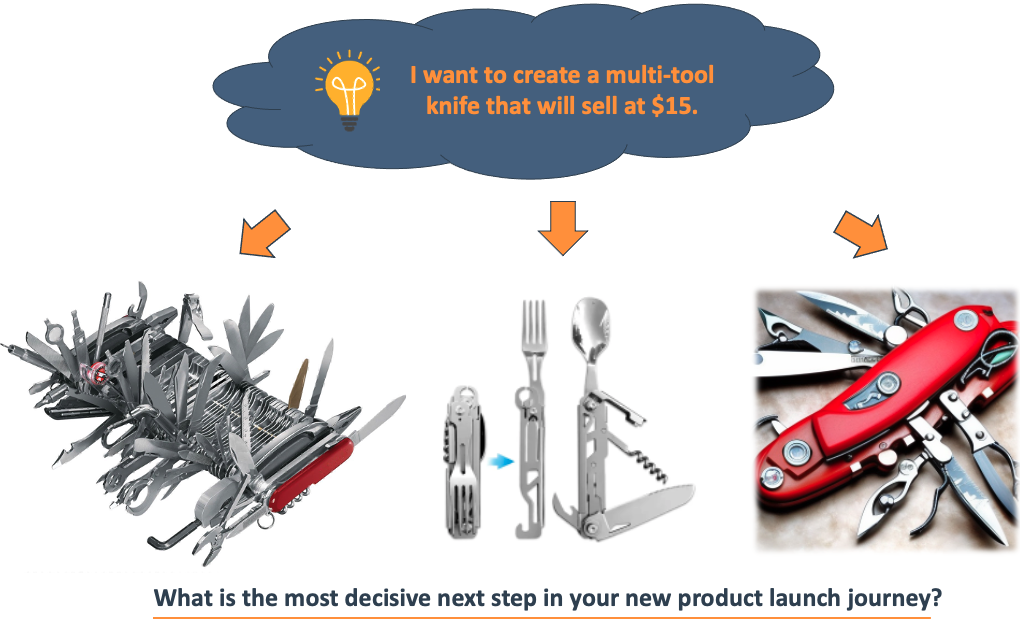
Conceptual and go-to-market product design are two important stages in the product development process. Each stage requires specific skills and expertise to ensure a successful outcome. In this article, we will explore the differences between conceptual design and go-to-market product development. Many product development companies are very heavy on the artistic design elements of new product development, but they lack the resources and abilities to bring the product to market. What good is a beautiful design if the final product does not sell or if it is simply not profitable?

Conceptual Design

Conceptual design is the first stage of product development. This stage involves defining the problem and identifying the solution. This is the stage where product ideas are conceived, and the concept is developed. The conceptual design stage is focused on defining the product’s purpose, target market, and the benefits that the product will provide to customers. Additionally, an artistic design will be a crucial element in presenting your ideas to investors.

During the conceptual design stage, the product design team conducts market research, analyzes customer needs and wants, and identifies any potential gaps in the market. They create product concepts, sketch product designs, and develop renderings to present their ideas. The main goal of the conceptual design stage is to create a viable product concept that addresses the needs of the target market and aligns with the company’s goals.

The conceptual design stage requires creativity, innovation, and problem-solving skills. The product design team must be able to think outside the box and come up with new ideas that address the problem at hand. They must also be able to evaluate the feasibility of each concept and identify any potential roadblocks early in the process.

Go-to-Market Design

Once the product concept has been defined and refined, it’s time to move on to the go-to-market product design stage. This stage involves turning the product concept into a tangible product that can be manufactured and sold, and most importantly, can make profit. It is the stage where the product design team takes the product idea and turns it into a reality.

During the go-to-market product design stage, the product design team works on developing the product’s features, functionality, and aesthetics. They focus on the technical details of the product design, including design for manufacturing, engineering, feature fine-tune, material selection, and manufacturing processes. They also work on creating detailed product specifications and creating 3D CAD models and renderings.

The main goal of the go-to-market product design stage is to create a product that is not only functional but also visually appealing and user-friendly. The product design team must ensure that the product is feasible to be manufactured and economically viable, meets all technical specifications, is easy to use, and is aesthetically pleasing. They must also ensure that the product can be manufactured efficiently and cost-effectively.

Creativity & Practicality


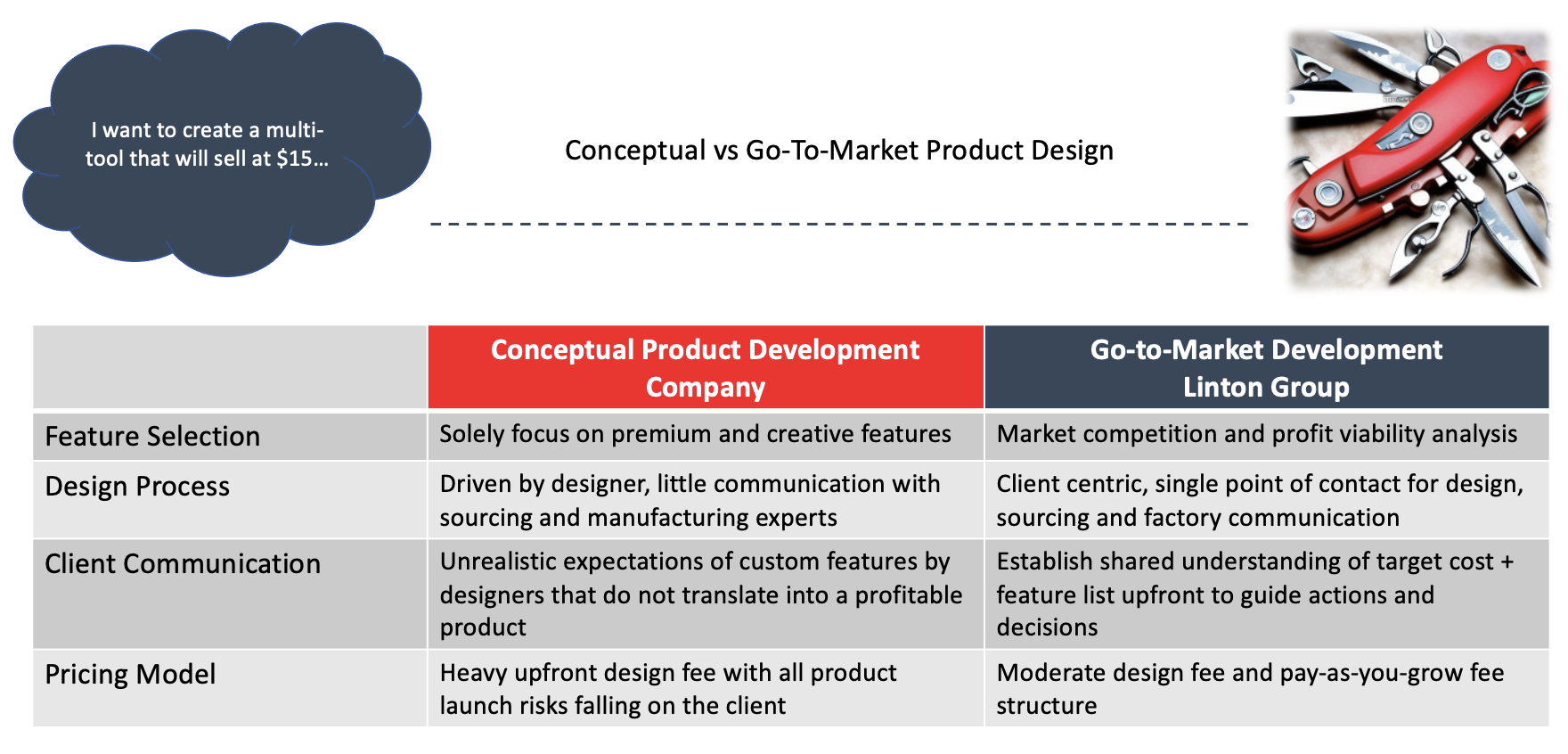
Go to Market Comparison Chart

While conceptual design is a crucial aspect of product development, it is not the only factor to consider. Creating a successful product requires more than just good ideas and beautiful presentation. It also requires the ability to turn that idea into a tangible, profitable and market-ready product.

During the conceptual design stage, designers and engineers are focused on coming up with a creative solution that meets the needs of the customer. They will typically use sketches, 3D models, and other tools to visualize the product and its features. There is a heavy artistic element to this stage that requires creativity and out-of-the-box thinking. Art-heavy product development companies generally thrive in this area, but it is crucial to keep the practical elements that define the success of a product at the forefront of this process.

Go-to-market product design, on the other hand, focuses on turning those conceptual designs into a tangible product that can be manufactured, tested, and brought to market to be sold for a profit. This involves developing detailed design specifications, selecting materials and manufacturing processes, conducting feasibility studies, and testing prototypes. The ultimate goal of go-to-market product design is to create a product that meets the needs of the customer, is cost-effective to manufacture, and can be successfully launched in the market. A successful go-to-market design is backed by real numbers and manufacturing experience.

Product Development Red Flags

While both conceptual design and go-to-market product design are essential parts of the product development process, be mindful of hiring a sourcing partner that is heavy in conceptual design but cannot build a tangible go-to-market product. Watch out for these red flags during your product development journey.

  • Cost Overruns-$X,XXXA company that is focused solely on conceptual design may not have the necessary expertise to identify potential manufacturing or production issues. This can result in cost overruns as the product moves from design to production, causing delays and budget overruns.


  • Delays in Product Launch-$X,XXXWithout the ability to turn conceptual designs into a tangible product, there is a risk of delays in the product launch. This can occur if the company is unable to create a product that meets the necessary quality standards or if there are issues with the manufacturing process.


  • Inability to Scale Production-$X,XXXEven if the company is successful in creating a tangible product, they may not have the necessary expertise to scale production to meet demand. This can lead to delays in delivery times or the inability to meet customer demand, resulting in lost sales.


  • Lack of Communication-$X,XXXA company that is heavy in conceptual design may not have a clear understanding of the manufacturing process, resulting in communication breakdowns between the design team and the production team. This can lead to misunderstandings, delays, and costly mistakes.


  • Limited Product Innovation-$X,XXXFocusing solely on artistic concept design may result in a lack of product innovation. Without the ability to create a tangible product, there is a risk that the company may not be able to identify potential issues or develop new product features.


  • Lack of Manufacturing Knowledge-$X,XXX
    Design without manufacturing in mind can lead to an over-designed product that is too expensive to produce and unable to turn a profit.
     

To avoid designing a product that will fail the market test, it is vital to work with a company that has expertise in both conceptual design and go-to-market product design. This requires a team that can take a product from initial concept through to manufacturing and launch, ensuring that the final product meets the necessary quality standards, is cost-effective to produce, and can be successfully launched in the market.

When evaluating potential product design firms, look for a company that has experience in all aspects of the product development process. This includes design, engineering, manufacturing, and quality control. A company that has a clear understanding of the manufacturing process and can work closely with factories is critical to avoiding delays and cost overruns.

Canton Fair 2023

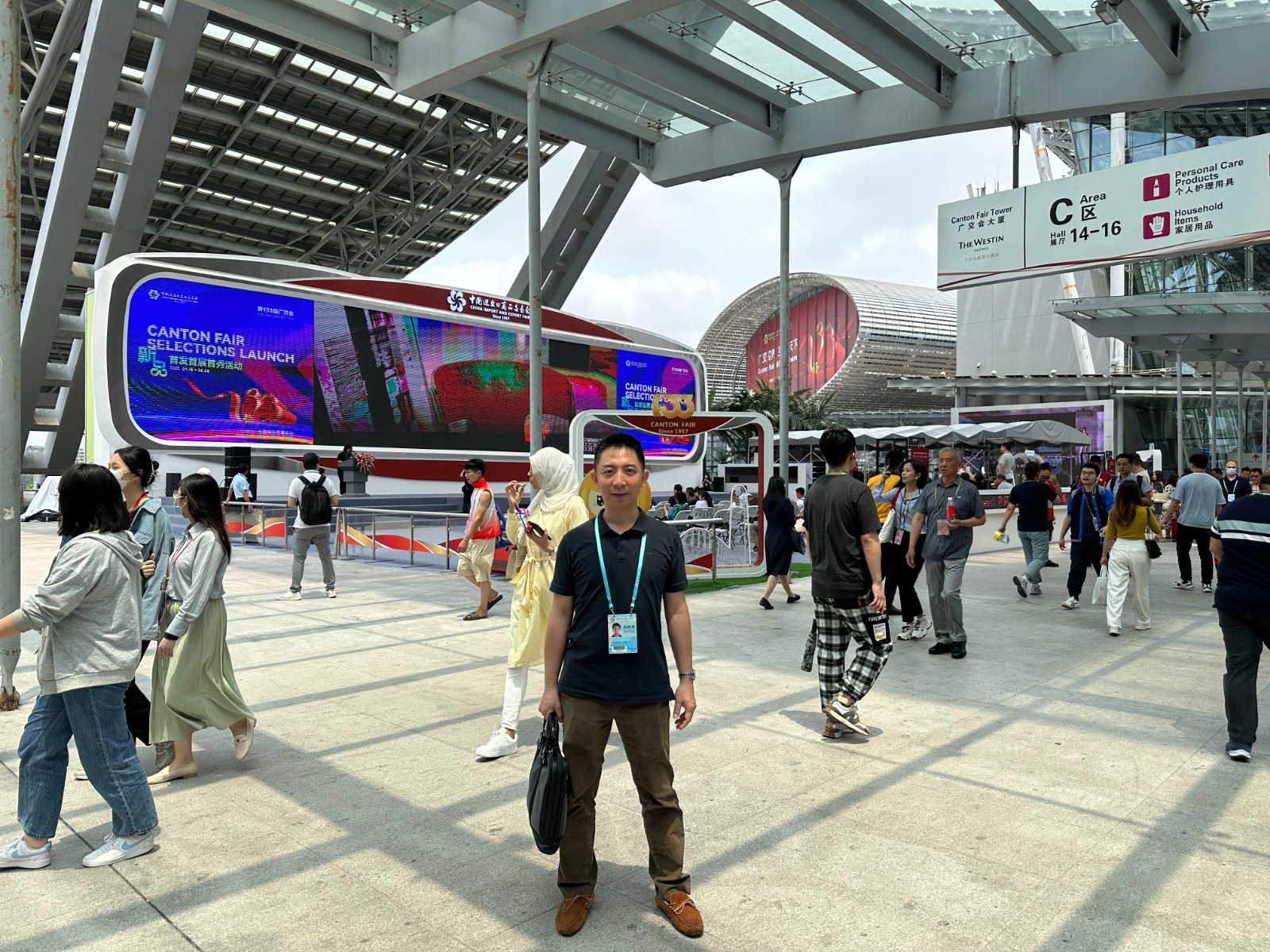
If you missed the largest sourcing trade show in the world, the China Import and Export Fair (Canton Fair 2023), let us take you on a virtual tour with our Founder and CEO Ben Kong and our China Operations Team. The Spring session of the Canton Fair 2023 was held from April 15 to May 5, 2023, and over 250,000 people attended. 

The fair is divided into three phases, each showcasing different categories of items.

Phase 1 – April 15 to April 19, 2023 – Electronics, household electrical appliances, hardware and tools, and building materials.

Phase 2 – April 23 to April 27, 2023 – Consumer goods, gifts, and home decorations.

Phase 3 – May 1 to May 5, 2023 – Textiles, garments, apparel, shoes, and office supplies.

When the Linton team arrived onsite during Phase 1, we found it quite interesting that our US Accounts team could obtain access badges at no cost, while our Chinese team had to pay about $50 a day to acquire their Buyer’s badges. If you plan to attend the Autumn session, pre-register yourself and your team on the official Canton Fair website.

Entering the massive complex of the convention, we found ourselves enveloped by dozens of Exhibition Sections and tens of thousands of exhibitor booths. Here are some of the interesting and not-so-interesting takeaways.

The Interesting

Many factory direct exhibitors. If you know what you are looking for, you can go straight to the source. However, you will need to know how to differentiate trading companies from the actual manufacturers.
Amiable conversations and clear English language skills. The factories we spoke with took our inquiries quite seriously and offered cut-to-the-chase responses. If you plan to attend by yourself next time, be prepared. The better prepared you are to discuss product details, the more you can get out of the time and cost invested in making a trip to the fair.
A good opportunity to build relationships. The Canton Fair offers a unique chance for you, as a buyer, to meet with multiple suppliers at once. You sit down with them, look into their eyes, share with them your excitement, your frustration, your next hero SKU idea and your vision to grow. In return, just like any genuine relationship, they may or may not be the one. Use discretion to identify true partners to share your business journey in the years to come.

The Not-So-Interesting

Everyone will tell you they are a real factory that makes exactly the items you are looking for. Make sure to ask the right questions before further engaging with the factories.
Over-representation of identical items across different exhibitors. If you are looking for new and unique ideas, you will need some luck.
The Canton Fair is not a substitute for professional sourcing and supply chain partners like Linton Group. Out of the hundreds of thousands of factories out there, less than 10% attend the fair. Linton relies on our established structure and network to find the best fit on behalf of our clients.

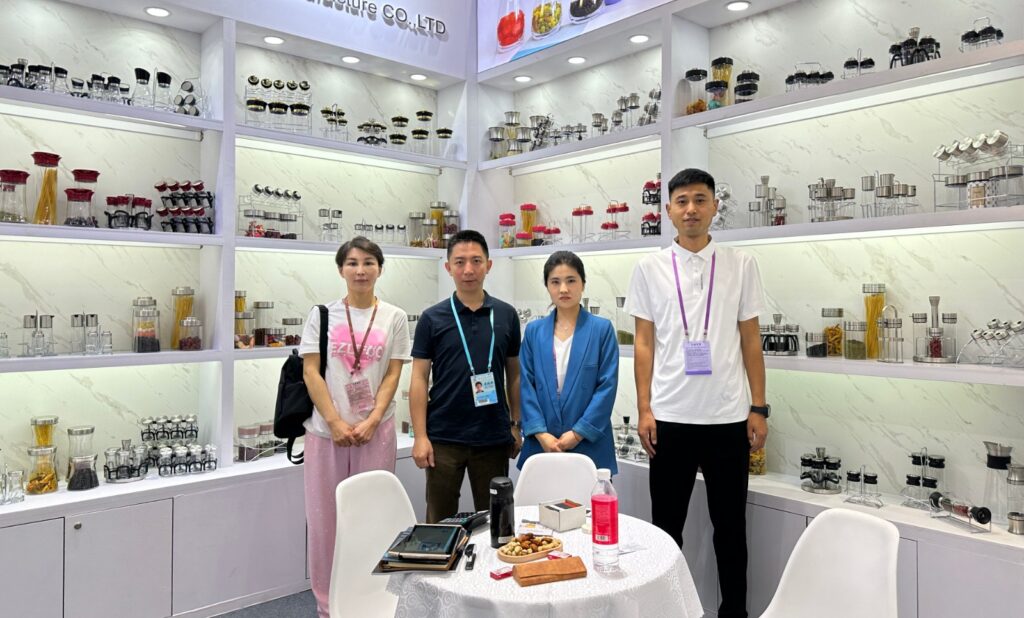
Linton China Operations Team Canton Fair 2023

In summary, the Canton Fair provides a great opportunity to reconnect with suppliers, meet new ones, and explore new ideas. Additionally, engaging with attendees can lead to some entertaining stories. We invite you to schedule a call with us to hear our detailed takeaways and humble opinions regarding your products or ideas.

Developing a New Product

Developing a new product is a challenging and exciting process, but it is not without its pitfalls. Many companies fall victim to common mistakes that can derail the entire process. A lack of preparation can be costly, both in terms of time and money. By understanding the potential pitfalls and how to avoid them, companies can increase their chances of success.

One of the most common pitfalls of developing a new product is failing to conduct thorough research. This includes researching the target market, competition, and feasibility of the product. Without this research, companies may end up developing a product that nobody wants, searches for, or that is not economically feasible to produce. It is essential to understand the needs and wants of the target market and to ensure that the product meets those needs. Additionally, understanding the competition can help companies position their product more effectively. Competitive equals should be used in the development process to improve upon existing ideas and outshine the competition once you go to market.

Failing to involve end-users in the development process is a common mistake that should be avoided at all costs. End-users are the people who will ultimately be using the product, and their feedback is critical to the success of the product. By involving end-users in the development process, companies can gain valuable insights into how the product will be used, what features are most important, and how the product can be improved. Leaving out the end-users can result in a product that misses the mark and fails to meet the needs of the target market.

In parallel, many companies fail to assess their new product idea from a realistic manufacturing angle, such as the upfront cost, lead time and even as detailed as quality control when developing a new product. It is essential to consider the cost of materials, labor, and overhead when developing a product. If the cost of production is too high, the product may not be profitable, or the price may be too high for the target market. Understanding the cost of production can help companies make informed decisions about pricing and profitability.

In addition to end-user testing, internal product testing is a must. Testing is critical to ensuring that the product meets the needs of the target market and is of high quality. Failing to test the product can result in defects, poor performance, or other issues that can damage the reputation of your brand.

Furthermore, companies may fail to properly market the product. Marketing is essential to the success of any product, and a poor marketing strategy will result in low sales and a lack of interest. It is essential to develop a comprehensive marketing plan that includes advertising, promotions, and other tactics to generate interest and awareness.

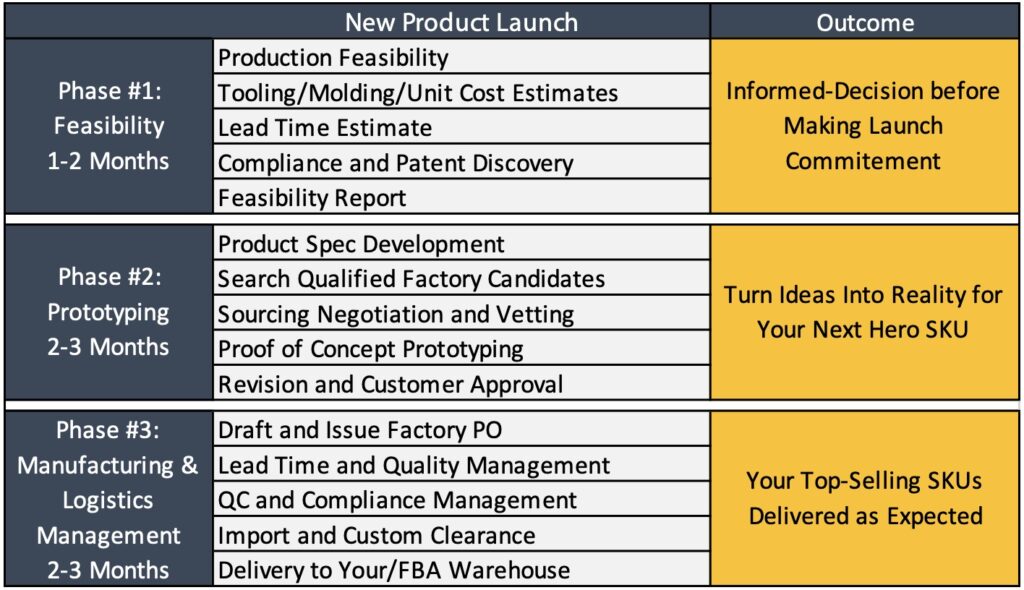
New Product Launch phases

Developing a new product is a complex and challenging process. Failing to conduct thorough research, involve end-users, consider the cost of production, properly test the product, market the product effectively, and adapt to changing market conditions can all result in a failed product. By understanding these potential pitfalls and taking steps to avoid them, companies can increase their chances of success and develop products that meet the needs of the target market.

Throughout the design process, it is essential to explore supply chain and manufacturing options, so that when the time arrives to bring the product to market, you are not constrained by lead times or overseas shipping of prototypes. From the point where the product specifications are quotable, factories should be contacted to deliver initial pricing and lead time information. This will reduce the time it takes to ship prototypes and reveal the capabilities and communication styles of the factories. When moving into production, keep the following guidance in mind in order to streamline the transition from idea to reality:

Refine the Design

Before beginning the manufacturing process, it is essential to refine the design of the product. This means making any necessary changes to the design based on feedback from potential customers, market research, or other factors that may impact the success of the product. Once the design is finalized, it is time to move on to the prototyping stage.

Create a Prototype

A prototype is a physical model of the product that is used to test its functionality and aesthetics. There are several methods for creating prototypes, including 3D printing, hand-crafted models, and computer-aided design (CAD) programs. It is essential to create a prototype that accurately represents the final product.

Test the Prototype

After creating a prototype, it is important to test it thoroughly to identify any flaws or areas for improvement. This may involve user testing, focus groups, or other types of feedback gathering to ensure that the product is functional, user-friendly, and meets the needs of the target market.

Select a Manufacturer

Once the design has been refined, and the prototype has been tested, it is time to select a manufacturer. This process involves identifying potential manufacturing partners, evaluating their capabilities, and negotiating the terms of the manufacturing agreement. It is essential to choose a manufacturer that has experience producing products similar to yours and has a track record of delivering high-quality results.

Prepare for Production

After selecting a manufacturer, it is time to prepare for production. This may involve creating detailed production specifications, setting up supply chains, and establishing quality control measures to ensure that the final product meets the desired specifications.

Manufacture the Product

With the preparations complete, it is time to manufacture the product. This involves setting up the production line, sourcing raw materials, and overseeing the manufacturing process to ensure that the final product meets the desired specifications.

Quality Control and Testing

Once the manufacturing process is complete, it is essential to conduct quality control and testing to ensure that the product meets the desired specifications. This may involve conducting batch testing, performing visual inspections, and using other quality control measures to identify any defects or areas for improvement.

Launch the Product

Finally, it is time to launch the product. This involves developing a marketing strategy, creating packaging and branding materials, and reaching out to potential customers to generate interest and sales. With a well-designed product, a solid manufacturing process, and a strong marketing strategy, the chances of success are high.

Moving a new product design into the manufacturing stage can be a challenging and complex process. However, by following these steps, one can increase their chances of success and bring their product to market with confidence. With a solid plan, a commitment to quality, and a willingness to adapt and refine the design as needed, anyone can create a successful new product that meets the needs of the market.

Due Diligence & Social Compliance

Social compliance refers to a set of practices and policies designed to ensure that factories and suppliers operate ethically, treat workers fairly and humanely, and comply with relevant laws and regulations. This is particularly important with factories in countries that typically have lower labor standards or a history of labor abuses.

This article will discuss the importance of social compliance in factory and supply chain due diligence, and provide some tips on how to validate that your supply chain meets the highest standards of social responsibility.

Why Social Compliance Matters

Social compliance due diligence is critical to ensuring that factories and suppliers treat their workers fairly and with respect. This includes assurance that workers are compensated appropriately, have reasonable working hours, and work in safe and healthy conditions. Social compliance due diligence holds factories accountable to comply with local laws and regulations, including those related to labor and employment practices, environmental regulations, and other relevant standards. Failure to comply with these standards can result in legal and public relations risks for businesses, as well as negative impacts on workers and their communities.

In addition to the ethical concerns, there are also practical reasons why social compliance is important in supply chain due diligence. For example, companies that prioritize social compliance are more likely to have stable and reliable supply chains, as they are less likely to experience disruptions from labor disputes or other issues. Social compliance can also improve worker productivity and morale, leading to higher quality products and greater customer satisfaction.

Ensuring Social Compliance in Supply Chain

Pre-Merger Factory Due Diligence

Before entering into a business relationship with a brand, factory or supplier, it is important to conduct due diligence with boots on the ground to visibly confirm that they meet the highest standards of social compliance. This can include reviewing the factory’s policies and procedures, interviewing workers and management, and conducting on-site visits to assess working conditions and other relevant factors.

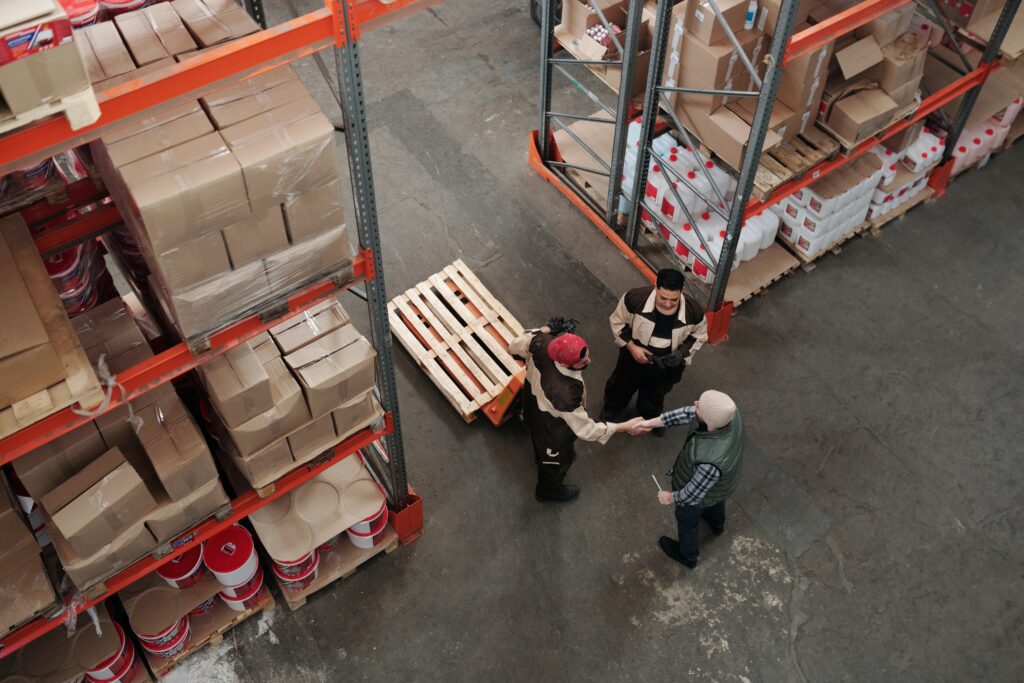
Two people make a business agreement by shaking hands
Verifying graph data on a document

Establish Clear  Standards

Businesses should establish clear standards for social compliance that they expect their suppliers to meet and communicate these standards clearly. These standards should be based on international labor standards and local laws and regulations, and should cover issues such as wages, working hours, health and safety, and human rights.

Monitor Supplier Compliance

Once a brand has established relationships with suppliers, it is important to schedule, at the very least, an annual visit to the factory. This can include conducting regular on-site visits, reviewing supplier reports and documentation, and engaging with workers and management to assess their satisfaction with working conditions. If factories know that their top clients are adamant on social compliance issues and regularly visit, they are much more likely to adhere to the requested standards and be held accountable for any deviations.

Meeting workers at a factory inspection
Man developing a Social non-compliance action plan on whiteboard

Address Non-Compliance Issues

If a business identifies non-compliance issues with a supplier, it is important to address these issues promptly and effectively. This may involve working with the supplier to develop a corrective action plan, or terminating the business relationship if non-compliance issues cannot be resolved. Having an action plan to deal with non-compliance is the best way to stay ahead of any pitfalls.

Encourage Social Compliance Through Incentives

Finally, businesses can encourage social compliance by offering incentives for suppliers who meet or exceed social compliance standards. This can include financial rewards, recognition, and other incentives that encourage suppliers to prioritize social compliance in their operations. Loyalty to a particular factory in terms of high order frequency and volume is generally incentive enough for a factory to adhere to standards, but it is extremely important to hinge a business partnership on clear values by setting expectations up front.

Two men discussing compliance at a factory

Social compliance is critical to ensuring that factories and suppliers operate ethically and treat their workers fairly and humanely. Businesses that prioritize these standards in their supply chain due diligence reduce legal and public relations risks and create a stable and reliable supply chain. By conducting due diligence, establishing clear standards, monitoring compliance, addressing non-compliance issues, and encouraging social compliance through incentives, businesses can ensure that their supply chain meets the highest standards of social responsibility.