


Injection Molding Cost: Tooling and Per-Unit Price

Key Takeaways
- Injection molding cost splits into a one-time mold and a per-part price, and the mold is usually the largest upfront expense.
- Mold cost ranges from about $3,000 for simple molds, per Icomold, to $100,000 or more for hardened steel production tools, per Linton’s rapid molding guide.
- A $20,000 tool adds $2.00 to each part at 10,000 units but only $0.10 at 200,000 units.
- Linton’s toy tooling guide reports that changes caught at first-off-tool cost 10 to 50 times more than changes caught at design review.
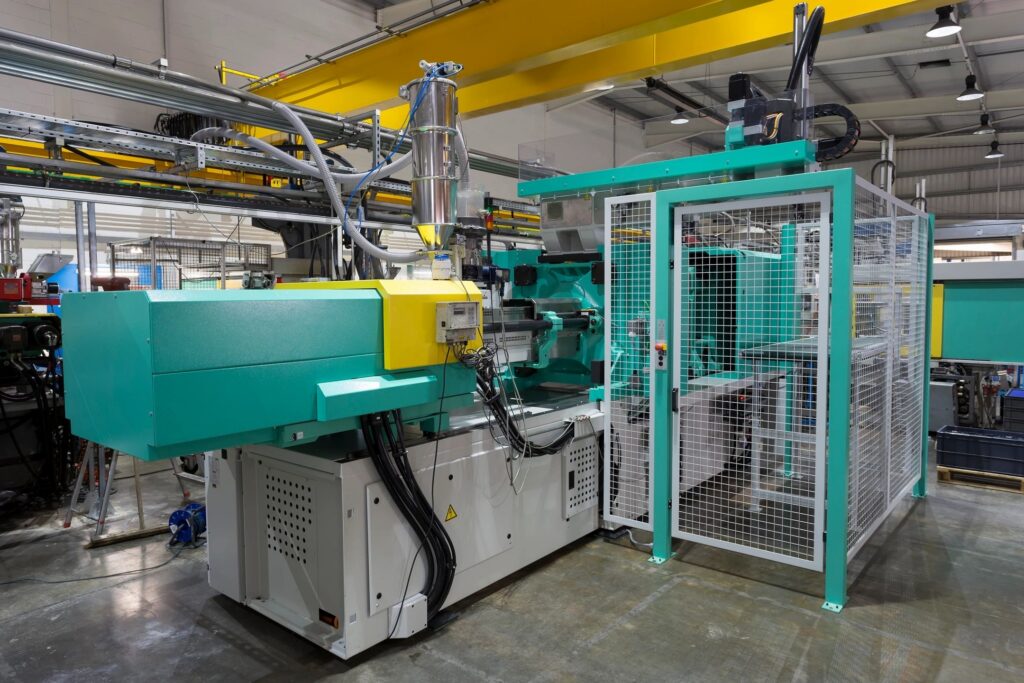
Injection molding cost is the total expense of producing plastic parts by injecting molten resin into a custom steel or aluminum mold, made up of a one-time tooling cost for the mold and a per-part cost for resin, machine time, and labor.
This guide breaks injection molding cost into tooling and per-unit price and shows what moves each one. Linton has delivered 1,200+ product development projects across 200+ product categories and manages tooling decisions through a network of 700+ vetted factories. By the end, you will have a realistic budget range and a list of decisions to settle before the mold is cut.
How Much Does Injection Molding Cost?
Injection molding typically costs between $3,000 and $100,000 or more for the mold, and that one-time tooling cost is usually the largest upfront expense. Icomold reports $3,000 to $6,000 for simple molds and $25,000 to $50,000 or more for large, multi-cavity molds. Linton’s rapid molding guide puts a hardened steel production mold at $20,000 to $100,000+ with a 2 to 3 month lead time.
A headline range means little without volume and part complexity. The same small plastic part can cost $4.00 per unit in a 100-piece pilot run and $1.70 per unit at 100,000 pieces, because the mold type and the way tooling cost is spread both change. The table below uses Formlabs’ worked example for a small electronic enclosure.
| Production volume | Mold type | Mold cost | Cost per part | Lead time |
|---|---|---|---|---|
| 100 parts | 3D-printed polymer mold | $100 | $4.00 | 1 to 3 days |
| 5,000 parts | Machined aluminum mold | $3,000 | $2.60 | 1 to 3 weeks |
| 100,000 parts | Machined steel mold | $20,000 | $1.70 | 2 to 3 months |
Cost per part falls from $4.00 to $1.70 as volume rises from 100 to 100,000 units, even though the mold grows from $100 to $20,000.
Sources: mold and per-part figures from Formlabs’ injection molding cost guide, which assumes $0.50 per part in resin and $2.50, $1.50, and $1.00 per part in labor or outsourcing at each volume. Aluminum and steel lead times from Linton’s rapid molding guide.
The Two Cost Layers: Tooling and Per-Part Price
Injection molding cost has two layers: tooling, the one-time cost of building the mold, and per-part price, what each molded unit costs once the mold exists. Treat tooling as a capital commitment rather than a line item, because it sets the geometry, tolerances, and cycle time of every unit that follows.
Per-part price is built from these inputs:
- Resin and additives, which vary by grade and part weight
- Cycle time and machine rate
- Labor, setup, and operator monitoring
- Scrap, which Xometry notes is usually 3 to 5%
- Secondary operations such as assembly, decorating, and finishing
- Packaging and inspection
Equipment is a third cost that most brands never pay directly. Formlabs notes that large industrial injection molding machines can cost $50,000 to $200,000 or more, so most brands pay for machine time through a factory instead of buying equipment. The mold cost is then amortized into every unit, which is why production volume matters so much.
What Drives Injection Mold (Tooling) Cost
Mold cost is driven mainly by part size and complexity, followed by cavity count, mold material, and features such as undercuts. Five factors move tooling cost the most:
- Part size and complexity: larger parts need larger molds, and intricate geometry takes more machining time.
- Cavity count and mold type: multi-cavity and family molds cost more to build but produce more parts per cycle.
- Mold material: aluminum costs less upfront, while hardened steel lasts through far more shots.
- Undercuts and side actions: features that block release need sliding components, which add complexity and cost.
- Surface finish, texture, and tolerances: cosmetic finishes and tighter tolerances add machining and polishing time.
Formlabs lists three common ways to make a mold: computer numerical control (CNC) machining, electrical discharge machining (EDM), and 3D printing for low-volume tools. Complex molds take longer on each method, which is why tooling price rises with part complexity. For a category example, see Linton’s guide to toy tooling costs and why the mold decision defines margin.
What Drives Per-Unit Price
Per-unit price is driven mainly by cycle time, resin, and labor, with cycle time the largest share in most programs. Xometry reports that cycle time accounts for about 60% of final part cost, and that cooling takes roughly 80% of each cycle.
Cooling time depends on the thickest wall in the part, so wall thickness is a design choice that sets per-unit price for the life of the product. Cavity count matters as well, because a mold that makes more parts per cycle spreads machine time across more units.
Resin adds material cost on top. Grade matters: engineering resins such as polycarbonate generally cost more per pound than commodity resins such as polypropylene, so over-specifying material raises per-part price.
Defects add cost that never appears on a quote. Linton’s in-house quality control (QC) team inspects against the approved Golden Sample, the shared production standard for every run, which reduces defect risk before parts reach finished goods.
How Production Volume Changes the Math
Higher production volume lowers cost per part because the same mold cost is divided across more units. Here is how a $20,000 steel mold adds to each part at three volumes:
- 10,000 units: $2.00 per part
- 50,000 units: $0.40 per part
- 200,000 units: $0.10 per part
This amortization is why first-year volume alone is the wrong basis for choosing cavity count. Model three years of demand instead. Linton’s toy tooling guide notes that re-tooling for scale in year two is often more expensive than cutting the correct multi-cavity tool up front.
A multi-cavity mold costs more to build, but it cuts machine time per part once volume arrives.
Aluminum vs. Steel vs. Rapid Tooling: Which Fits Your Stage
Choose silicone molds for appearance and fit checks, aluminum tooling for market tests and bridge production for established brands, and steel for committed high-volume production. The table compares the three on the factors that decide the choice.
| Tool type | Lead time | Typical tool life | Upfront cost | Best for |
|---|---|---|---|---|
| Silicone mold (room-temperature vulcanizing, or RTV, urethane casting) | Days | A few dozen parts | Lowest of the three options | Appearance models and fit checks |
| Aluminum bridge tool | About 1 to 3 weeks | Hundreds to low thousands of shots | About $3,000 in Formlabs’ 5,000-unit example | Market tests and bridge production for established brands |
| Steel injection mold | About 2 to 3 months | Hundreds of thousands of shots | $20,000 to $100,000+ | Committed, high-volume production |
Each step costs more and commits the brand to more, so move forward only when the previous step has earned it.
Rapid tooling is a bridge, not a destination. Aluminum wears faster than steel, and parts can shift slightly when production moves to a steel mold, so plan the transition from the start. Linton’s guide to rapid molding as the bridge between a 3D print and a steel injection mold explains how to sequence the three stages.
The Injection Molding Costs Brands Often Miss
The costs brands miss most often are tool ownership terms, first-off-tool revisions, tool maintenance, and the cost of changes after the tool is cut. These costs rarely appear on the first quote:
- Tool ownership and transfer terms, which decide whether production can move to another factory
- First-off-tool revisions and sampling trials before full production is approved
- Tool maintenance and repair as the mold wears
- Freight, duties, and import costs for molds built overseas
- Design changes after the tool is cut, which are the most expensive of all
Linton’s toy tooling guide notes that most tooling disputes trace back to one of these items being assumed rather than documented. Write each one into the agreement before funds move.
How Design Decisions Set Injection Molding Cost Before Tooling Starts
Design decisions set most injection molding cost before tooling starts, because wall thickness, undercuts, draft, and material choices determine mold complexity and cycle time. Boothroyd Dewhurst, the firm behind design for manufacture and assembly (DFMA) software, states that 70% of a product’s cost is determined during the design phase.
Four design choices move cost the most:
- Wall thickness: thicker walls lengthen cooling time, which raises per-part cost.
- Draft angles: parts need slight taper so they release from the mold without damage.
- Undercuts: features that block release require side actions that add tooling cost.
- Material: resin choice affects shrinkage, finish, and per-pound cost.
Linton’s guide to design for manufacturing for consumer products covers these constraints and a pre-tooling review in detail.
How to Reduce Injection Molding Cost Without Cutting Quality
The most reliable way to reduce injection molding cost is to settle design and tooling decisions before the mold is cut, because changes after cutting cost the most. Work through these steps before approving a tool:
- Run a design for manufacturing (DFM) review before the tool is cut.
- Simplify geometry and remove cosmetic features that do not drive sales.
- Match resin to real performance requirements instead of over-specifying.
- Model cavity count against three-year volume.
- Confirm tool ownership and transfer terms in writing.
- Evaluate insert molding, which encases a separate component in plastic and can let one mold serve more than one product.
Linton’s toy tooling guide reports that changes caught at first-off-tool cost 10 to 50 times more than the same changes caught at design review. That gap is why the review comes first.
Brands with products already in production can audit current tooling and unit cost through Linton’s manufacturing cost reduction program.
How Linton Helps Brands Manage Tooling and Unit Cost
Linton manages tooling and unit cost as one connected system, from manufacturing-integrated design through factory sourcing, production management, and in-house quality control. Linton is a full lifecycle partner, not a factory broker.
With 700+ vetted factories, four overseas offices, and 100+ years of combined experience, Linton negotiates pricing, payment terms, and production priority on behalf of brands. Linton’s in-house QC team strictly follows the American National Standards Institute and American Society for Quality (ANSI/ASQ) Standard Z1.4 2018, serving as the quantifiable standard for Linton’s Quality Control process.
Linton works on a shared success model with low upfront costs, so it only wins when the product succeeds. New products start with Linton’s product design and development service.
The Water Buffalo beach chair shows the effect. The original design would have cost nearly $100 per unit to manufacture. Linton redesigned it with simple, manufacturing-integrated changes and cut cost of goods sold (COGS) by nearly 80%. Read the full Water Buffalo beach chair case study.
For existing products, Linton’s cost reduction program has averaged about a 22.6% reduction in COGS on best-selling products. The audit is free, and Linton only charges if savings are confirmed.
Frequently Asked Questions
How much does injection molding cost?
Injection molding typically costs $3,000 to $100,000 or more for the mold, which is usually the largest upfront expense. Icomold puts simple molds at $3,000 to $6,000 and complex multi-cavity molds at $25,000 to $50,000 or more. After the mold is built, each part’s price depends on resin, cycle time, and labor. A production steel mold typically takes 2 to 3 months to build.
What is the biggest cost driver in injection molding?
For most new products, the mold is the largest single cost, followed by cycle time once production starts. Mold cost rises with part size, complexity, cavity count, and features such as undercuts that need side actions. Xometry reports that cycle time accounts for about 60% of final part cost, and cooling takes most of each cycle.
Why is injection molding so expensive upfront?
Injection molding is expensive upfront because the mold is a custom-machined tool built to hold tight tolerances across thousands or millions of shots. Molds are machined by computer numerical control (CNC) machining or electrical discharge machining (EDM), then finished and tested before the first good part ships. That fixed cost is spread across production volume, so cost per part falls as volume rises.
How does production volume affect injection molding cost per part?
Higher volume lowers cost per part because the mold cost is divided across more units. A $20,000 tool adds $2.00 to each part at 10,000 units and $0.10 at 200,000 units. A multi-cavity mold costs more to build but cuts machine time per part, so cavity count should be set against three-year volume, not first-year demand.
Is an aluminum mold cheaper than a steel mold?
Yes, an aluminum mold usually costs less and is ready sooner, but it wears out faster. Per Linton’s rapid molding guide, an aluminum tool takes roughly 1 to 3 weeks and runs hundreds to low thousands of shots, while a steel mold takes 2 to 3 months and lasts far longer. Steel suits committed, high-volume production.
How can brands reduce injection molding costs?
The most effective way to reduce injection molding cost is to settle design and tooling decisions before the mold is cut. Complete a design for manufacturing (DFM) review, simplify undercuts and wall thickness, match resin to real performance needs, and confirm tool ownership in writing. Linton’s toy tooling guide notes that changes caught at first-off-tool cost 10 to 50 times more than changes caught at design review.
Who owns the injection mold after it is built?
The brand should own the mold, but only if ownership and transfer terms are written into the agreement before payment. When ownership is left vague, a factory can hold the tool and make it hard to move production elsewhere. Define ownership, maintenance responsibility, and transfer terms before any funds move.
Plan Your Tooling Budget Before the Mold Is Cut
Share your product category, target volume, and launch timeline, and Linton’s team will walk through tooling options and unit-cost targets before any mold is cut. The initial consultation is free.
Alex Einhorn
Director, Sales & Marketing | Linton Group
Alex helps brands take products from concept to launch — drawing on 8+ years founding and scaling consumer brands across DTC, wholesale, and B2B, plus the manufacturing, sourcing, and product development expertise he leads at Linton Group
View Author PageWondering if your product could be built better, faster, or at a lower cost?
Related Posts
Key Takeaways Design for manufacturing (DFM) is not a final engineering check. Cost, materials, process, tooling, tolerance, and appearance are linked from the first design decision, and treating DFM as a late gate is how expensive tooling and unsourceable materials get locked in. A design is the combined result of competitor products, end-user experience, trends, […]
Read More
Key Takeaways A go-to-market checklist belongs in the same weekly meeting as the engineering review, not after it. By the time the product is on a vessel, most launch decisions are already locked. The checklist exists to hit 3 numbers: strong first-order demand, a stable average selling price, and a reorder placed before the first […]
Read More
Key Takeaways Amazon does not inspect product quality on inbound FBA shipments; it enforces prep and labeling requirements and acts on defect metrics after customers complain Once inventory is checked into a fulfillment center, the seller cannot inspect, sort, or rework it without a removal order The only window to fix a defective batch at […]
Read More